
Nutmeg, ground
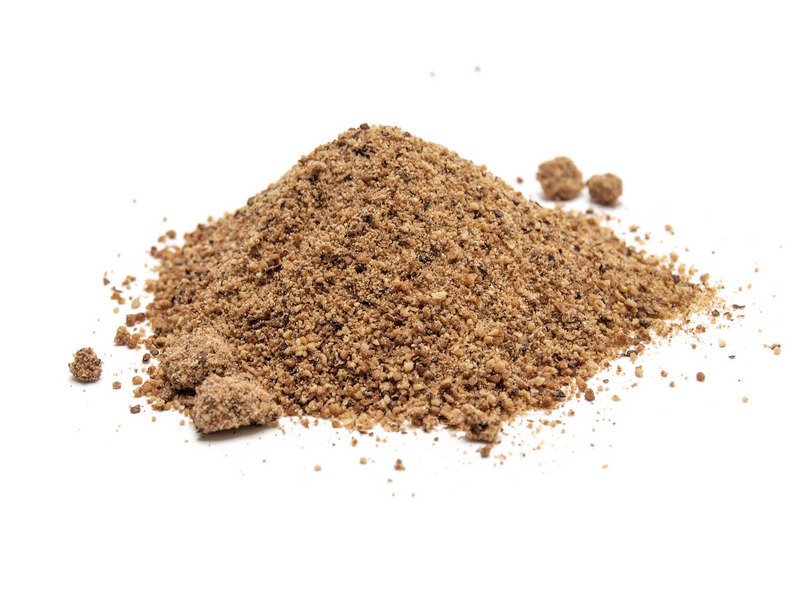
Nutmeg, ground
ALLERGENS: peanuts and peanut products, nuts, celery and celery products, mustard and mustard products, sesame seeds and sesame seed products.
Myristica fragrans
A shrubby, evergreen tree native to the Indonesian Banda Islands, often referred to as the Spice Islands, produces fruits that yield two distinct spices, nutmeg and mace.
In the 6th century, both spices were part of the caravan trade to Alexandria, and it's likely that crusaders introduced them to Europe. Their earliest use in China, India, the Arabian Peninsula, and Europe was for medicinal purposes.
When the Portuguese began trading directly from the islands, nutmeg gained importance as a spice, and by the end of the 18th century, there was a craze for it in England.
Today, the largest exporters of nutmeg are Guatemala, Indonesia, and India, while Grenada, once a major exporter, now ranks eighth. Grenada also features nutmeg on its flag.
TASTE OF NUTMEG
Nutmeg and mace have similar rich, fresh, and warm aromas. Nutmeg has a sweet scent but is more camphorous and resinous than mace. Both spices have a warm and highly aromatic flavor, but nutmeg has hints of cloves and a bitter-sweet woody taste.
USED are the seed kernel and the flower that envelops the seed (the flower is known as mace).
BUYING AND STORING NUTMEG
Nutmeg is best bought whole. It can last indefinitely in a well-sealed container, and it's easy to grind or grate. Once ground, it loses its flavor fairly quickly.
Nutmeg and mace from Banda and Penang are considered much higher quality than those from the West Indies, and their quality, besides taste, is determined by the size of the kernel. Larger ones are more valued.
USE IN CULINARY
In India, nutmeg is used more than mace, primarily due to the high cost of mace; both spices are used moderately, mostly in Mughal dishes.
Arabs have long used both spices in delicately flavored dishes, from lamb and mutton. In North Africa, they can be found in spice blends like Tunisian galat, dagga, and Moroccan ras el hanout. Europeans extensively use both nutmeg and mace in sweet and savory dishes.
Nutmeg is widely used in honey cakes, rich fruit cakes, fruit desserts, and punches. It's good in casseroles and in most egg and cheese dishes.
Dutch generously sprinkle nutmeg on white cabbage, cauliflower, vegetable purees, meat casseroles, and fruit puddings; Italians prefer smaller amounts in mixed vegetable dishes, spinach, veal, and pasta fillings or sauces.
In France, along with pepper and cloves, it goes into casseroles and stews. Semi-ripe nutmeg, pierced everywhere (as is done with semi-ripe walnuts) and soaked before being boiled twice in syrup, was once a popular confection in Malaysia.
NUTMEG IS IMPORTANT for dessert spices, quatre epices, ras el hanout, Tunisian 5 spice blend.
GOOD WITH cabbage, carrot, cheese and cheese dishes, chicken, eggs, rich fish or seafood soups, lamb, dairy dishes, onion, potato, pumpkin pie, spinach, sweet potato, veal.
NUTMEG PAIRS WELL WITH cardamom, cinnamon, cloves, coriander, cumin, ginger, mace, pepper, rosebuds, thyme.
| Energy | 2198 kJ/ 525 kcal |
| Fats | 36.3 g |
| - of which saturated fatty acids | 25.9 g |
| Carbohydrates | 49.3 g |
| - of which sugars | 28.5 g |
| Proteins | 5.8 g |
| Salt | 0.016 g |
| Fibers | 20.8 g |
Latest Recipes
We bring you tried and tested recipes of our favorite dishes, culinary tips, and suggestions on how to best combine spices and ingredients for a complete sensory experience.
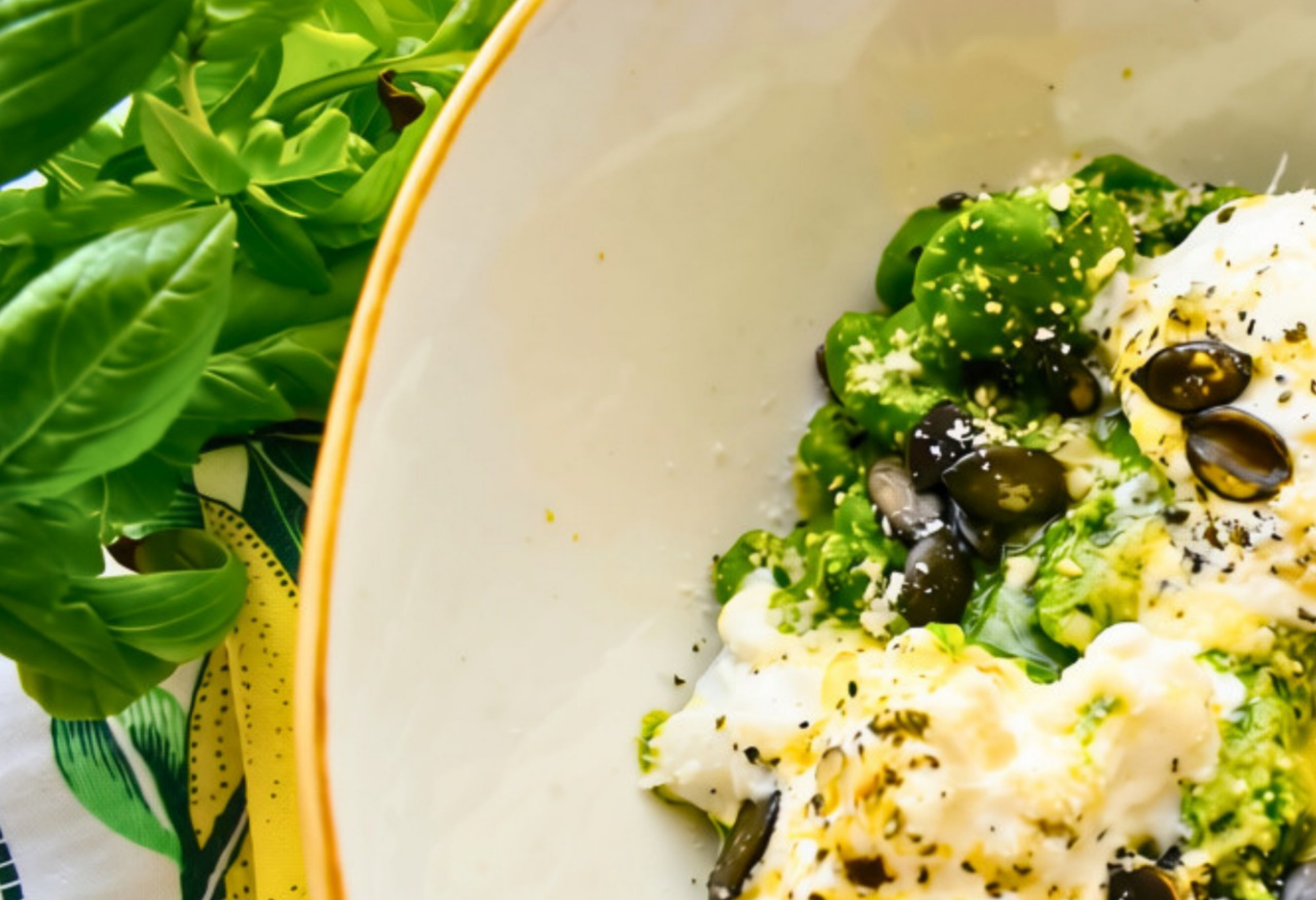
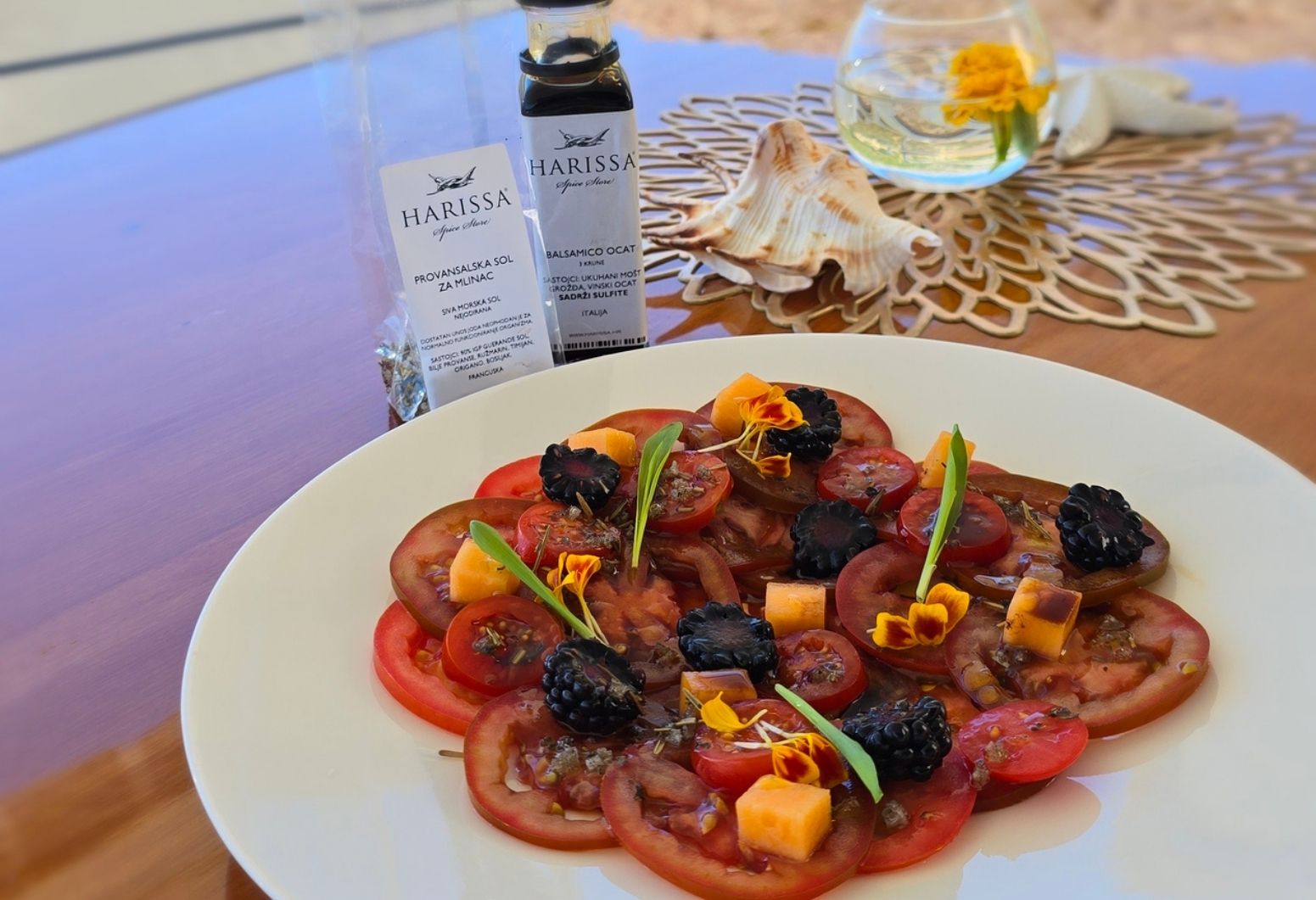
Summer Garden with Black Tomato, Melon, Black Raspberry and Harissa Provencal Salt
Summer Garden with Black Tomato
with Melon, Black Raspberry and Harissa Provençal Salt
Salad by Chef David Francesco Komadina