
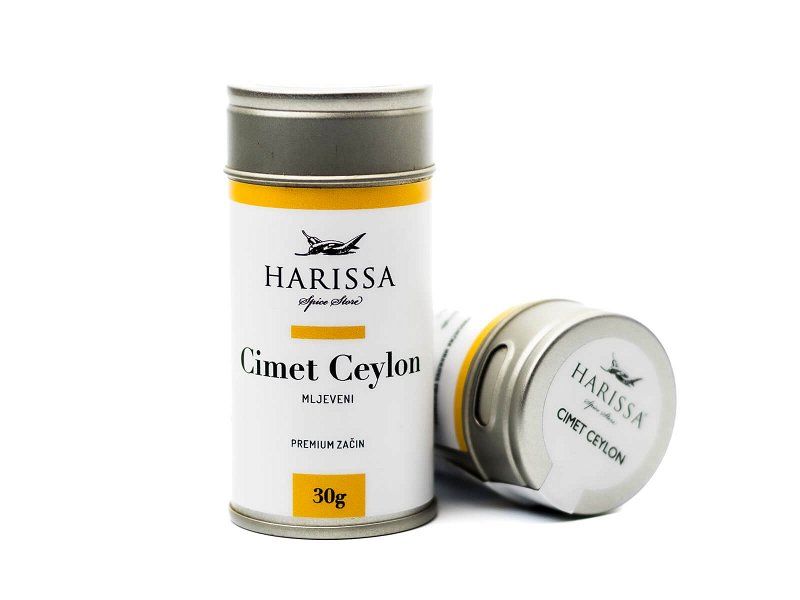
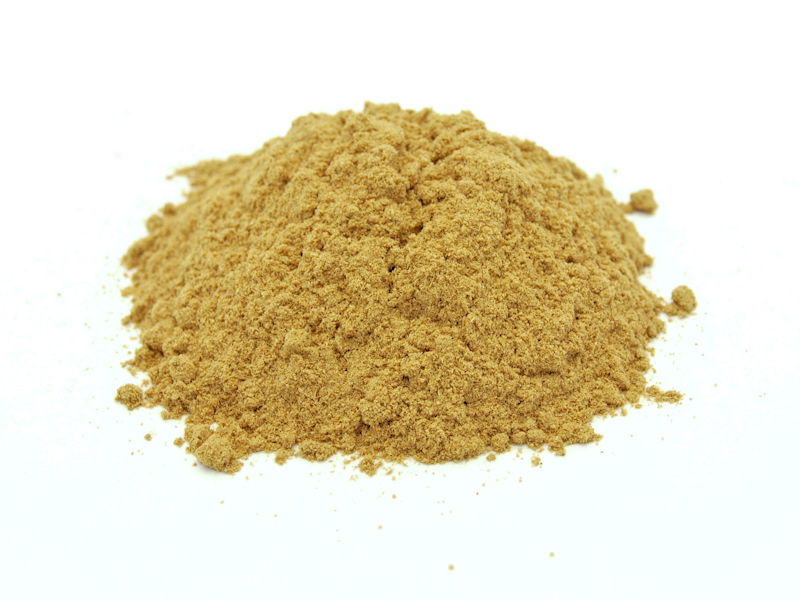
Ceylon Cinnamon Powder - tin 35g
ALLERGENS: peanuts and peanut products, nuts, celery and celery products, mustard and mustard products, sesame seeds and sesame seed products.
Cinnamomum zeylanicum (verum)
Cinnamon is indigenous to Sri Lanka. Like cassia cinnamon, it comes from the bark of an evergreen tree in the laurel family.
For 200 years, this highly lucrative monopoly was controlled by the Portuguese, then the Dutch, and finally the English. By the end of the 18th century, cinnamon was planted in Java, India, and the Seychelles, and the monopoly could no longer be maintained.
This cinnamon is also known as Ceylon cinnamon or true cinnamon - verum.
Unlike cassia, which can contain up to 8% coumarin, Ceylon cinnamon has only 0.004%, making it suitable for daily use without any risk.
Today, the largest producers of Ceylon cinnamon are Sri Lanka, Madagascar, and the Seychelles. It is essential to note that Ceylon cinnamon does not necessarily have to come exclusively from Sri Lanka as long as it is of the zeylanicum species.
FLAVOR
Cinnamon has a warm, sweet, woody aroma that is delicate yet intense. The taste is fragrant and warm with hints of cloves and citrus. The presence of eugenol distinguishes cinnamon from cassia cinnamon, giving it a clove-like note.
USES
Dried bark sticks or ground cinnamon are used.
BUYING AND STORAGE
Cinnamon - the paler the color, the better the quality - is widely available but quickly loses its flavor, so buy it in small quantities.
Ceylon cinnamon is much more expensive than cassia, primarily evident in the purchase of sticks because the production itself is much more complicated. Namely, Ceylon cinnamon is rolled in such a way that the softer bark is folded into a piece of rolled bark.
Categorization of Ceylon cinnamon has 4 general divisions, starting from the thinnest stick made from the most delicate parts of the bark - ALBA, which has a diameter of 6 mm, followed by CONTINENTAL, MEXICAN, and HAMBURG.
Whole cinnamon sticks are available in specialty stores and some supermarkets.
If stored in a well-sealed container, they can retain their aroma for 2-3 years.
CULINARY USE
The fine taste of cinnamon pairs well with all kinds of desserts and spiced bread and cakes; it particularly complements chocolate and apples, bananas, and pears. Use it in apple pies or baked apples, in butter-fried bananas, in rum, or in red wine in which you poach pears.
It also adds excellent flavor to many meat dishes as well as vegetable dishes in Middle Eastern and Indian cuisine. Moroccan chefs often use it in lamb or chicken tagines, in casseroles as a couscous topping, and above all for flavoring bastila, a pie made of crispy, layered pastry filled with pigeon and almonds.
In the famous Arabic lamb mishmisheya with apricots, cinnamon and other spices are added, playing a role in many Iranian khoreshes (casseroles) as a rice side dish. In India, cinnamon is used in many masalas (sauces), chutneys, and condiments, and in spiced pilafs.
Mexico is the main importer of cinnamon, which is used to flavor coffee and chocolate drinks; cinnamon tea is popular in Central and South America, once popular for flavoring beer, cinnamon, together with cloves, sugar, and sliced oranges, is excellent for flavoring mulled wine.
GOOD WITH almonds, apples, apricots, bananas, chocolate, coffee, eggplant, lamb, pears, poultry, rice.


Latest Recipes
We bring you tried and tested recipes of our favorite dishes, culinary tips, and suggestions on how to best combine spices and ingredients for a complete sensory experience.
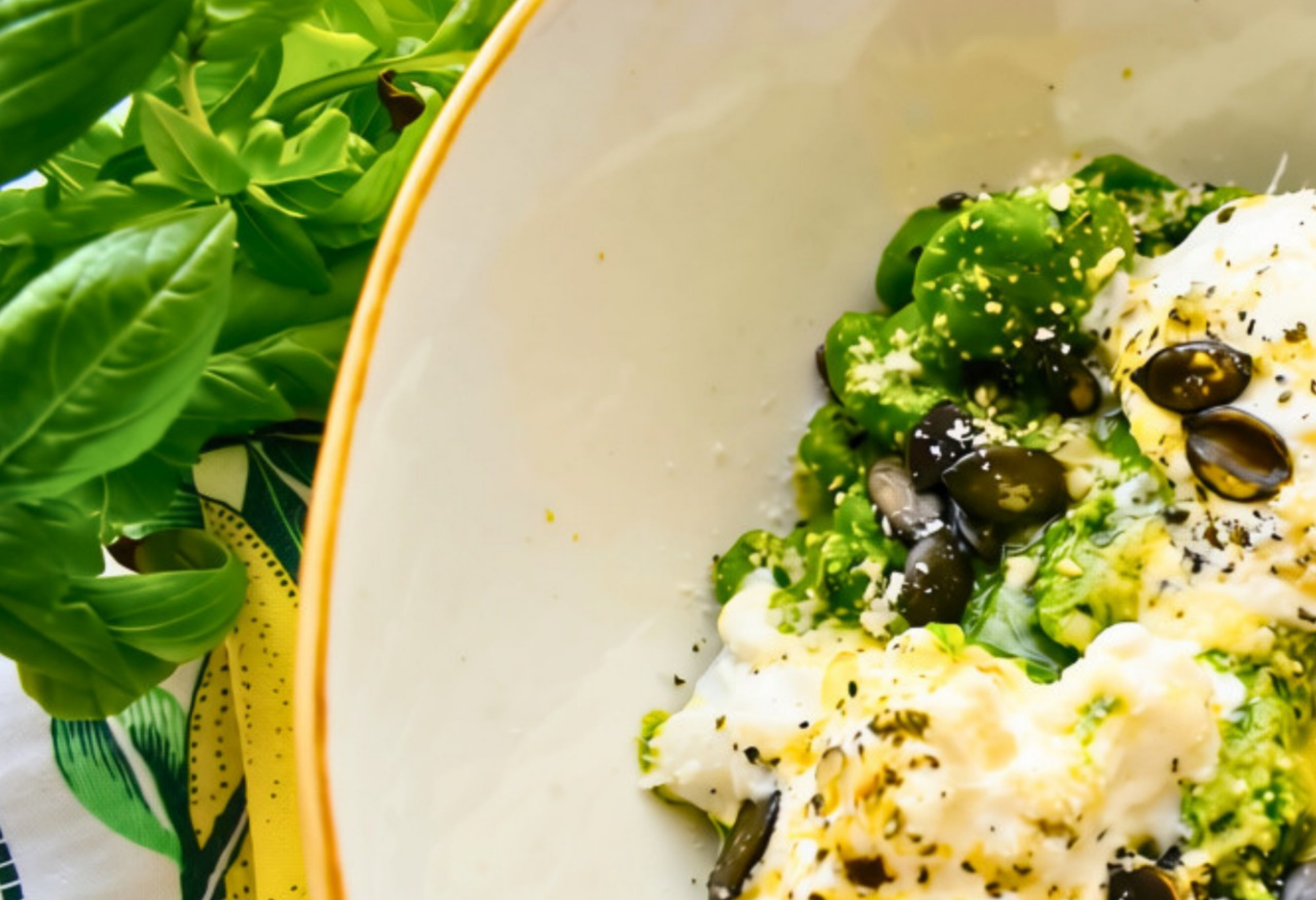
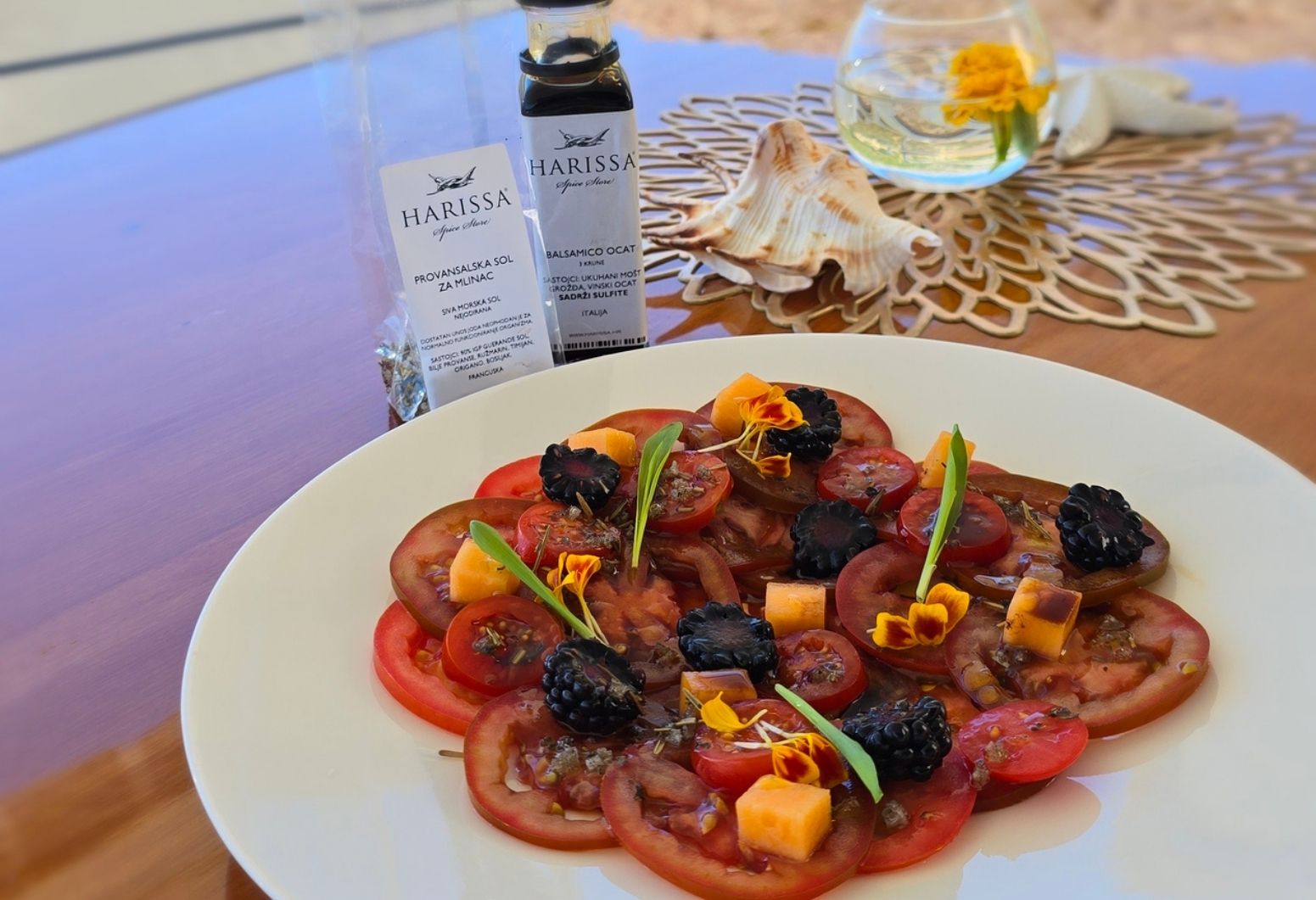
Summer Garden with Black Tomato, Melon, Black Raspberry and Harissa Provencal Salt
Summer Garden with Black Tomato
with Melon, Black Raspberry and Harissa Provençal Salt
Salad by Chef David Francesco Komadina